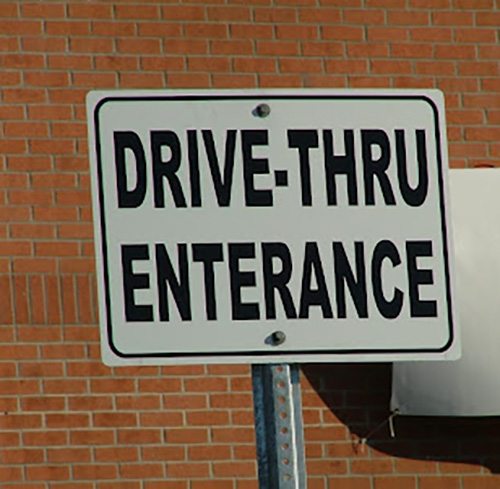
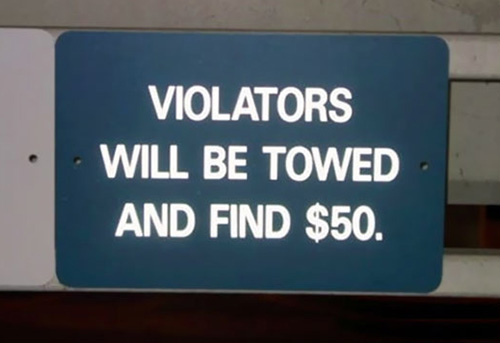
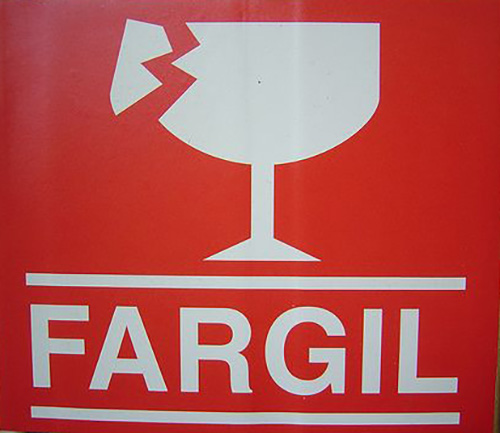
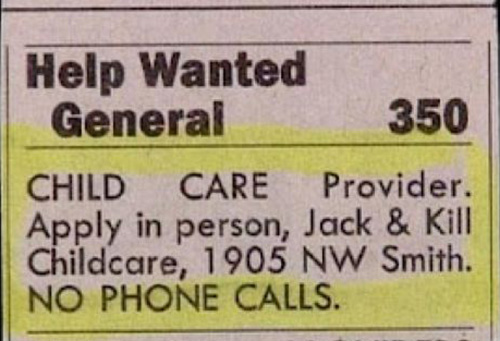
If your book is riddled with typos and other errors, you’re not going to be taken seriously.
Sounds harsh, but it’s true. And after all the work you’ve put into your masterpiece, you really need to be taken seriously.
That’s where proofreading comes in—and it’s one of my strongest skills.
During proofreading, I identify errors in spelling, punctuation, vocabulary, consistency, and grammar. This is not the time when sentence structure and logical flow of ideas are fixed; that happens during editing.
Proofreading is the very last step in production of a printed piece, but that doesn’t mean it’s the least important. Proofreading of a typeset book or article ensures that as many errors as possible have been corrected.
 How It Works
During a proofread, I read the piece, checking things like page numbers and running headers as well as correcting any errors in spelling, grammar, and punctuation. It’s usually a good idea to have more than one proofreader; proofreading is an inexact science, because the human eye sees what it expects to see. You’ll boost the chances of a perfect product if you have several sets of eyes checking it out.
You should not be one of those.
Why? You created the piece. No matter how many times you check it, errors will inevitably slip through because you see what you intended or what you expect. Your proofreader should come at the job with a fresh set of eyes.
What It Will Cost
For fiction manuscripts, I charge $.006 per word for a proofread. For nonfiction manuscripts, I charge $.008 to $.012 per word, depending on the complexity of the material.
If you have questions or are ready to get started, email me at This email address is being protected from spambots. You need JavaScript enabled to view it.
Why We Need Proofreaders
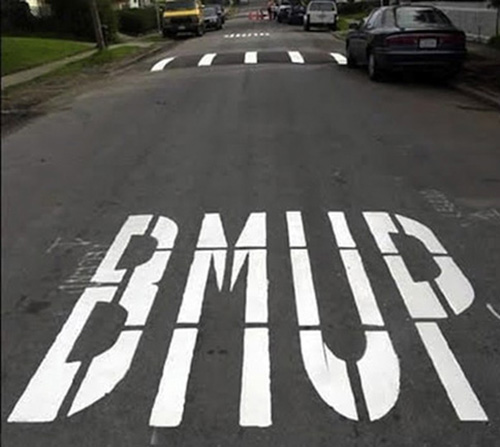
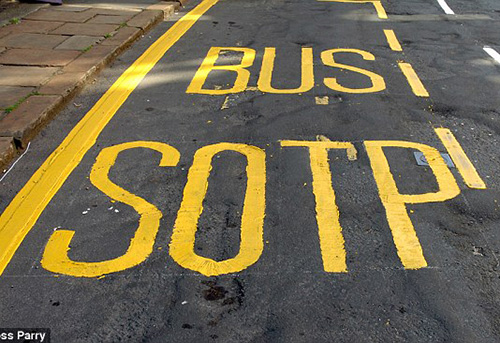
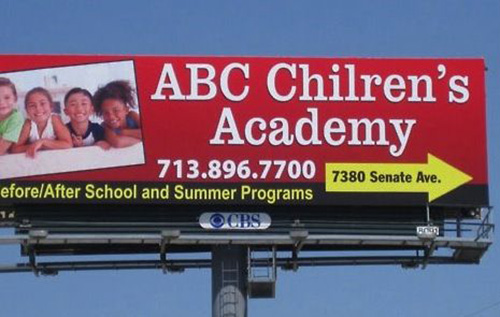
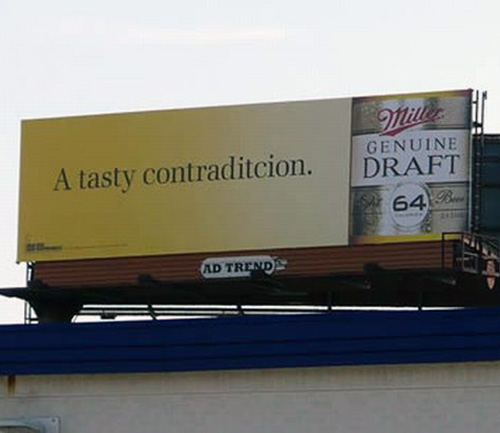
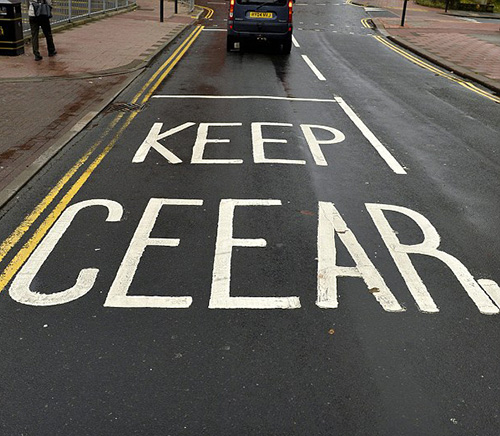
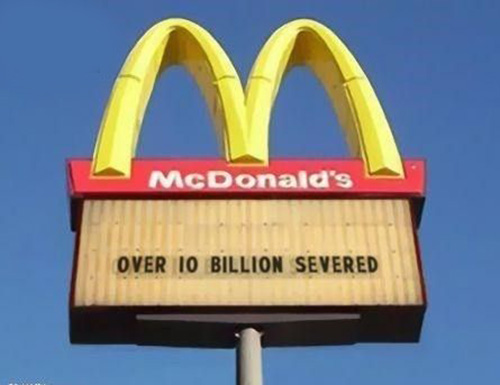
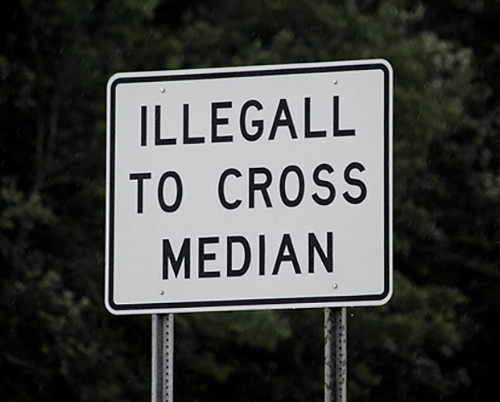
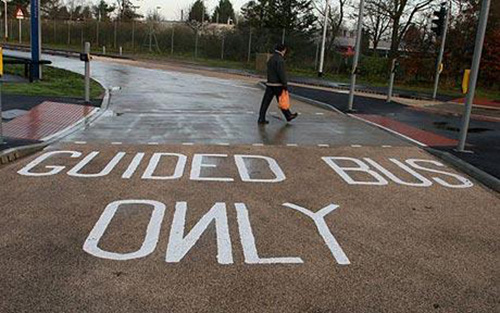
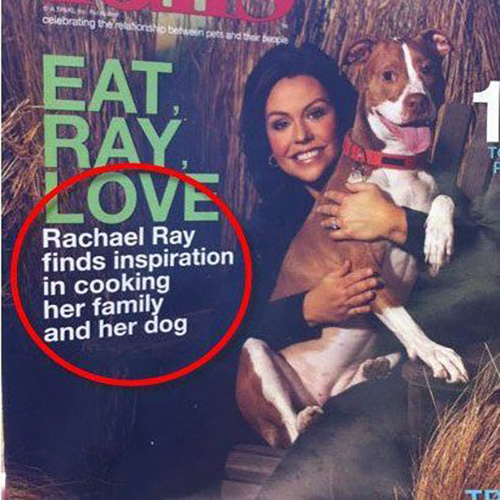
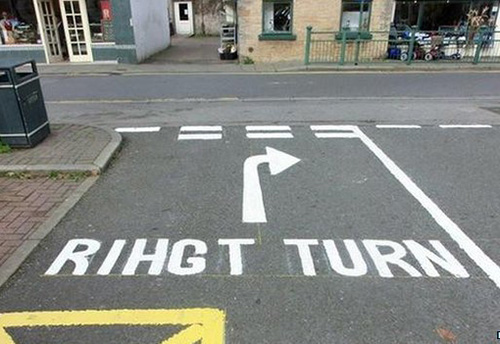
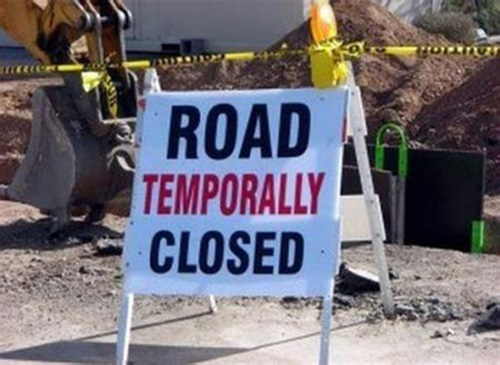
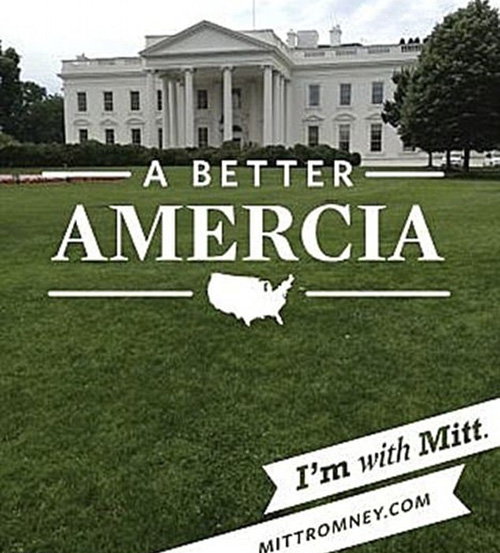
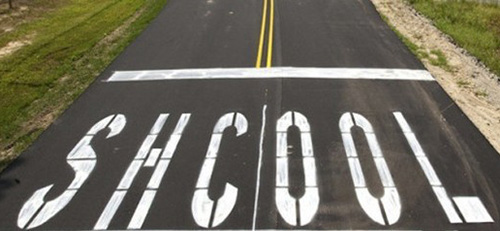
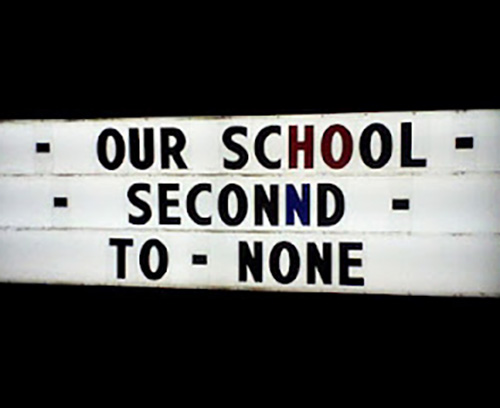
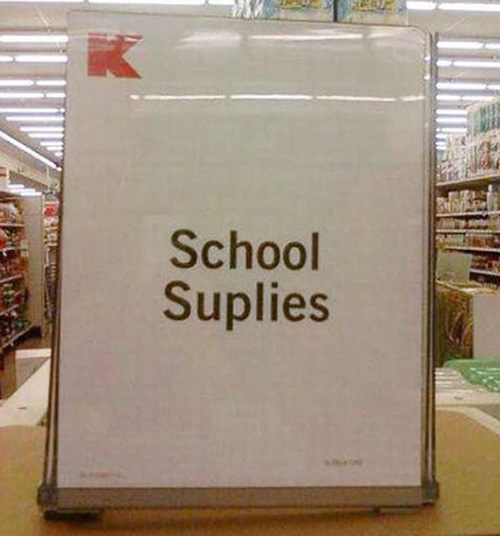
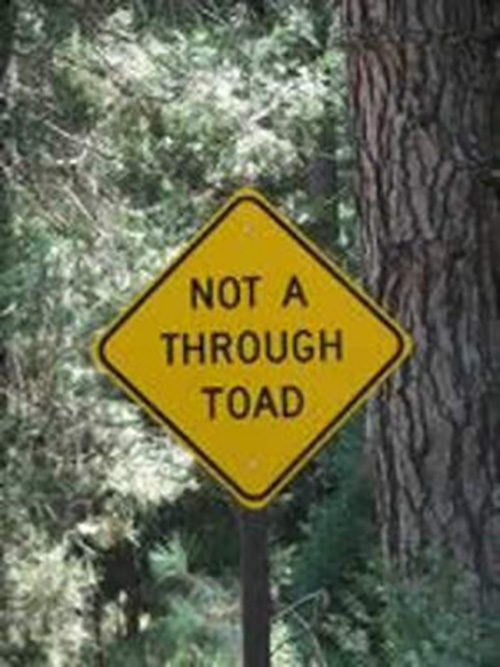
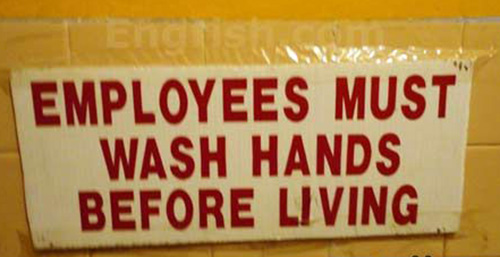
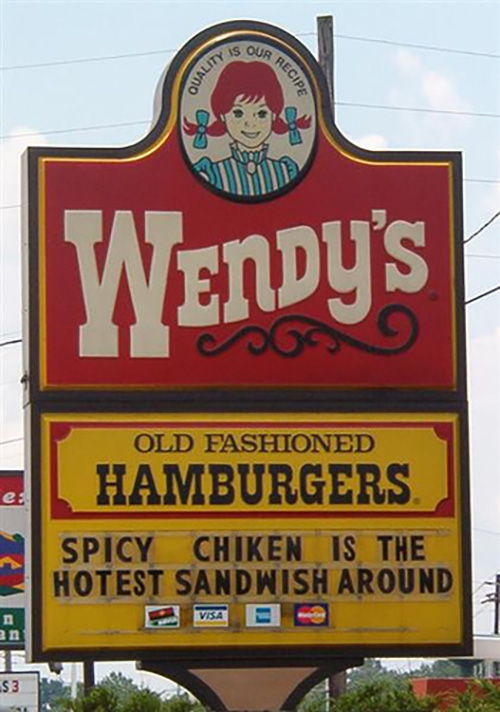
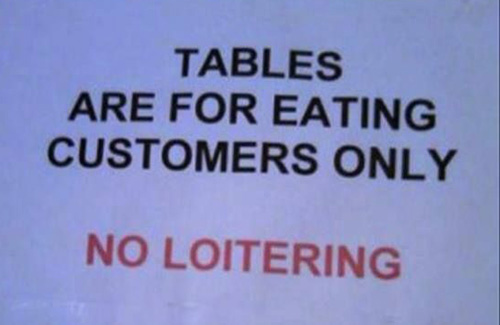
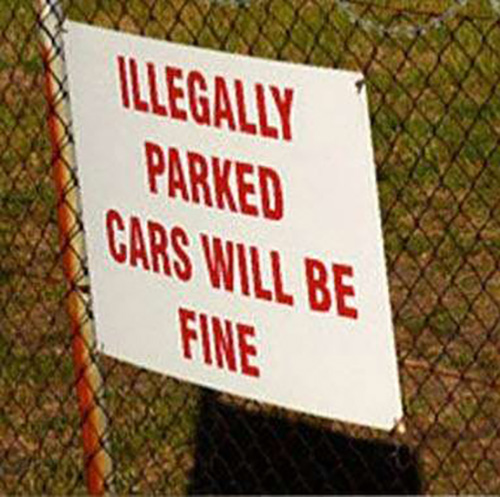
Still need some convincing that a proofread is necessary? Take a look at these real-life examples of people who didn’t use—but definitely should have used—a proofreader.