
The history of The Church of Jesus Christ of Latter-day Saints contains a lesser-known gem of a story that could change your life.
 A New York woman named Mary Whitmer had her hands full. And she was getting exasperated. Her house had been bulging at the seams before Joseph and Emma Smith and Oliver Cowdery arrived. Joseph and Oliver set up shop in an upstairs room, where they were translating what Mary understood to be gold plates. But she hadn’t seen those plates. Even though she’d asked. No one had. She now had more mouths to feed and more work to do, and she wasn’t so sure she believed any of it anymore. To read more, click the button below.
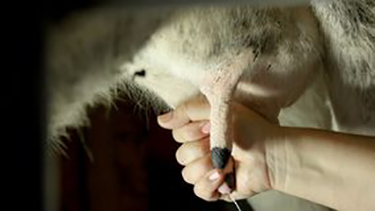
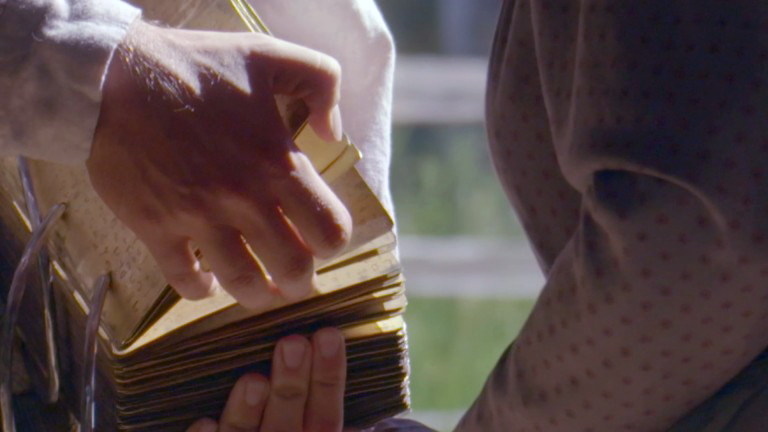 One evening, exhausted from her day’s labors and feeling discouraged and resentful, she went out to milk the cow. Suddenly a man carrying a knapsack approached and began talking to her. Long story short, it was the angel Moroni. And he pulled from his knapsack a bundle of gold plates that looked just like what Joseph had described. He assured her that important work was going on in that upstairs bedroom.
Let’s cut to the chase: Mary Whitmer was the only woman to ever see those plates. And as you can imagine, her attitude took a one-eighty.
Here’s what that experience says to me: sometimes when we are least ready for it—when we are burdened and distracted and stressed and maybe even feeling sorry for ourselves—the inspiration might come.
It can be, and often is, spiritual inspiration. But it can also be other kinds of inspiration—including the kind artists and writers and musicians seek.
 Maybe you’ve been struggling with a character. Maybe you don’t know where your plot is headed. Maybe you can’t quite seem to come up with a great ending. Maybe you can’t even get that first paragraph just right. Maybe you’re not sure you believe in yourself anymore. Maybe everyone is right, and you are crazy to even think you can write. (Remember, your father wanted you to be an anesthesiologist. Or a carpenter.)
 Face it: if inspiration could come to Mary Whitmer while she was milking a cow—arguably one of the most pedestrian activities out there—it can come to you, wherever you are and whatever you’re doing. Your job is to listen and to be open to it, even if you’re on a crowded bus or in a dreary committee meeting or trying to herd a passel of kids out the door to school. Even if you’re shoveling through a toolbox looking for a certain wrench. Even if you’ve got a pile of dishes to do or a lawn that needs to be mowed. Even if you’re sitting in your disabled car waiting for the tow truck. Even if nothing seems to be going right. At all.
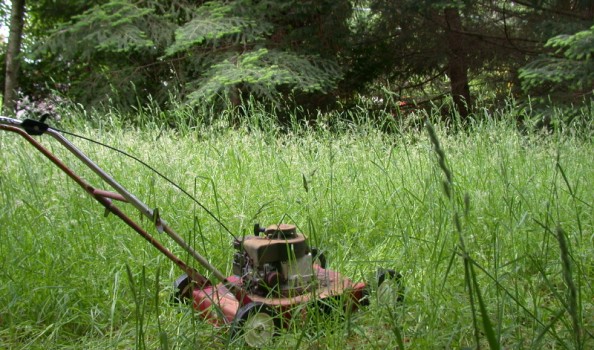 Author and satirist Karl Wiggins wrote, “I write in my head on the way home from work, or when mowing the lawn, or on a night out with friends. Sometimes I find the time to capture those words that are rolling through my mind, quivering and drumming and swimming, banging into each other until I can finally trick them and leak them out onto the page. And sometimes I don’t. Writers are like that.”
He’s right. Sometimes we don’t. Sometimes I don’t, and sometimes you don’t. But that doesn’t mean you’re not suited to it. Never give up, and never quit listening, because when you least expect it, the words will come rolling through your mind, quivering and drumming and swimming, banging into each other. It might even happen when you’re milking a cow.
And you won’t believe what happens next.