
I recently started reading 11/22/63, an 849-page tome by Stephen King about Jake Epping, who discovers a wormhole in the back of a little diner in Maine—home of Al’s Famous Fatburger—and learns he can go back to 1958, where he can change history.
 Al, the owner of the diner, was weeks away from dying of lung cancer and couldn’t go through the wormhole himself. So he asked Jake to go and to prevent Lee Harvey Oswald from killing President John F. Kennedy. Jake was reluctant. Al told him, “If you ever wanted to change the world, this is your chance. Save Kennedy, save his brother. Save Martin Luther King. Stop the race riots. Stop Vietnam, maybe. Get rid of one wretched waif [Oswald], buddy, and you could save millions of lives.” Like the ripples in a pond. To read more, click the button below.
So Jake agrees to go to Dallas and try to prevent Lee Harvey Oswald from killing Kennedy. (In case you’re a lot younger than I am, that’s Oswald’s mug shot as he arrived at the Dallas City Jail after the shooting. Looks like someone took a swift whack to his head before he got there.)
In related news, Winston Churchill once wrote a novel in which the Confederacy won the U.S. Civil War. Apparently, he decided to take a crack at that fanciful scenario after penning his acclaimed nonfiction, The American Civil War. I can just see him chewing on that iconic cigar as he wondered, What if. . . ? It’s an intriguing prospect. What if? What if, as Churchill imagined, you could change history? What would you choose to change? What would the world look like as a result? And what if you could change some of the things that happened in your own family? What would your world look like as a result?
What if? Two simple words that started my mind racing.
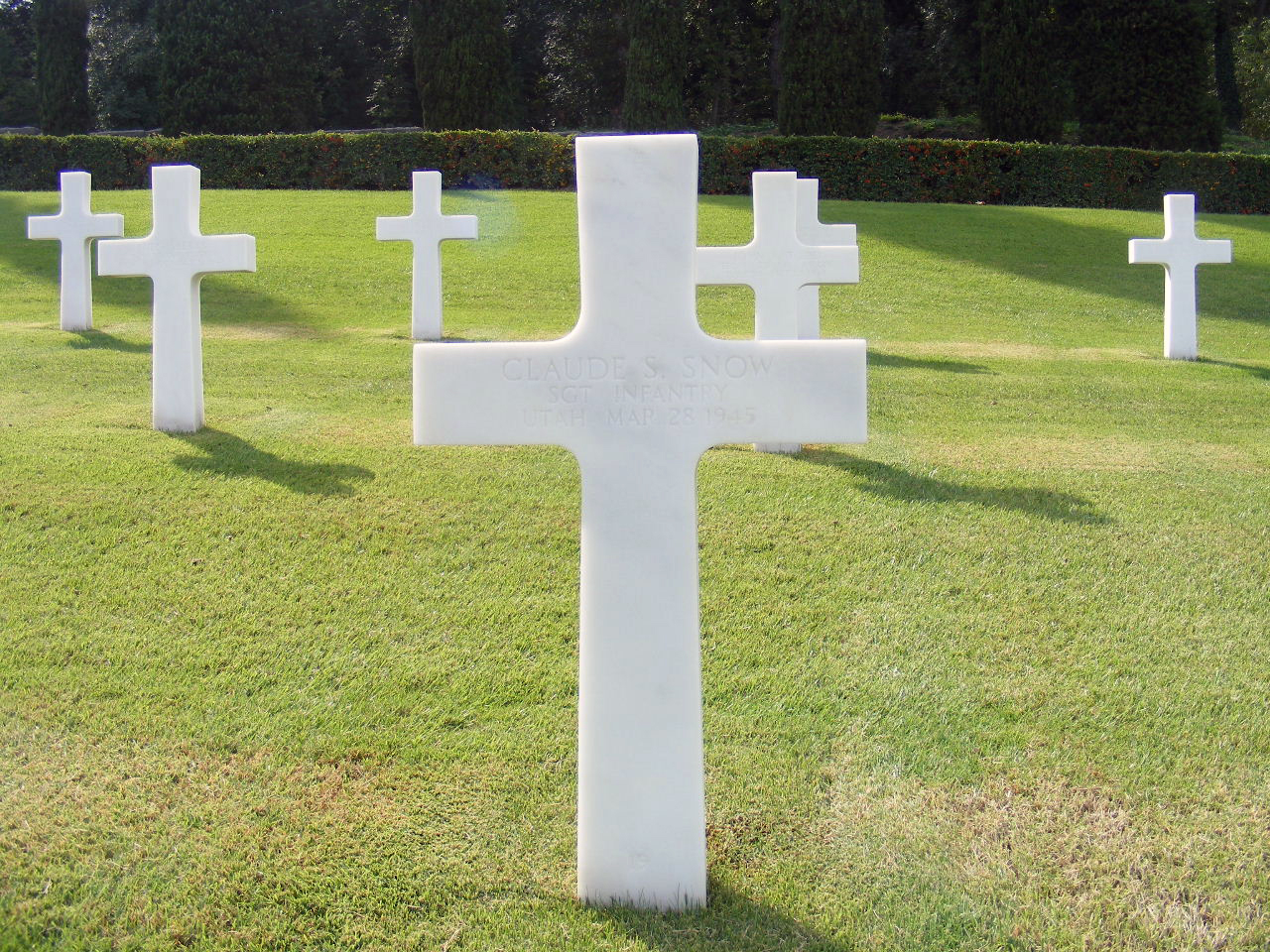 What if my mother’s fiancé hadn’t volunteered to fight in World War II before they had a chance to marry? He wouldn’t have been sent to Italy. He wouldn’t have been driving a military mail truck on a steep mountain road in a torrential downpour, and he wouldn’t have been killed when the truck plummeted off a cliff on March 28, 1945. He wouldn’t be buried in the American serviceman’s cemetery in Florence, Italy. (That’s his grave, his name etched on that solitary cross.) What would he have done with his life? How would my mother’s life have been different? How would mine? Who would I be?
What if my father hadn’t run away from home at fourteen and started working in the steel mills at Gary, Indiana? He would have graduated high school. He probably would have gone to college. He would have likely chosen a career other than steel production. He might not have met my mother, who was a secretary at U.S. Steel’s Geneva works. How would his life have been different? How would hers? Would I even be here?
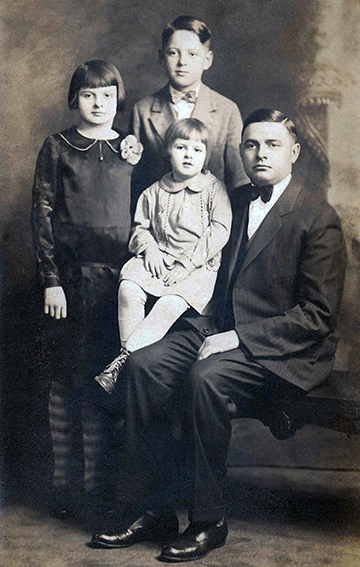 What if my grandmother hadn’t gone to town in Ferndale, Michigan, on the Fourth of July to buy my then nine-year-old father athlete’s foot medicine? She wouldn’t have been struck by a trolley car. Her head would not have been crushed. Her husband wouldn’t have gathered his three children for a family portrait the day of her funeral. (Look at the grief in those eyes. Not even a hint of a smile in the bunch, not even on three-year-old Aunt Olive. Look at my Aunt Maxine’s corsage and striped stockings.) Most of all, her husband wouldn’t have married a trollop named Minnie, and my father probably wouldn’t have run away from home a few years later. How would my grandmother’s life have been different? My father’s? Mine?
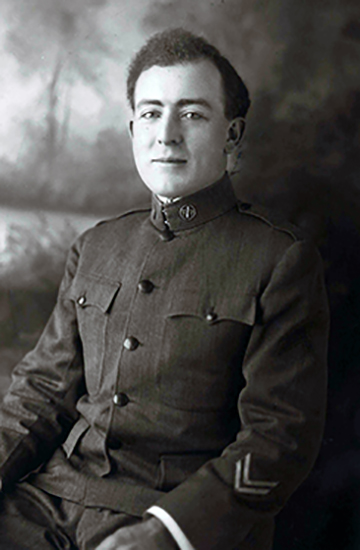 What if my other grandfather (the source of my curly hair) hadn’t served in World War I? (Look at his innocent expression on his way to war. And look at the hope and possibility on his face in that picture up top with his new car when he came home.) He wouldn’t have seen atrocities that broke his mind and spirit. He wouldn’t have developed “shell shock.” He wouldn’t have been confined in a mental hospital for the last two decades of his life. My grandmother wouldn’t have trudged on foot up the hill every Sunday with a picnic for a man who didn’t even know who she was. How would her life have been different? How would his? How would those of so many—his three children, his grandchildren, me?
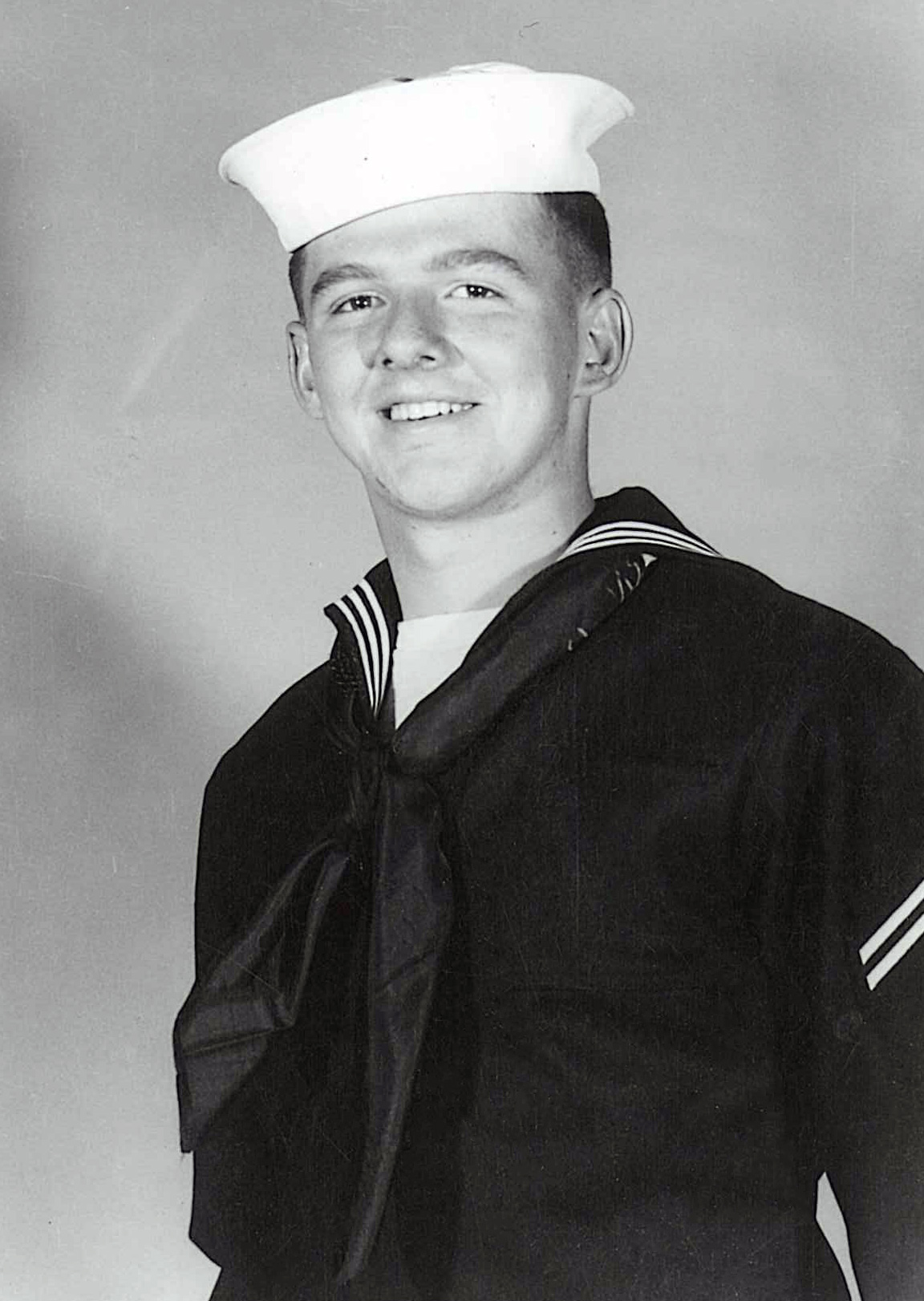 What if my adorable cousin Brian hadn’t gone to military school?
 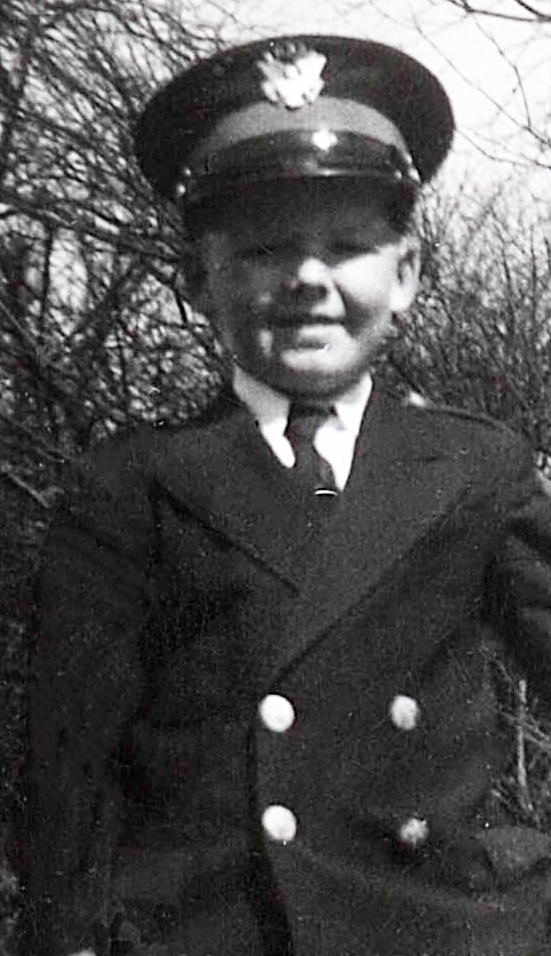 What if that hadn’t inspired him to join the navy when he was 17? He wouldn’t have been assigned to undergo brutal prisoner-of-war experiments. He wouldn’t have been kept in a small cement cell for three years, where he was regularly beaten. He wouldn’t have died in the Great Lakes Naval Mental Hospital, where he spent the last 19 years of his life, broken and defeated and never tasting of the freedom for which he so desperately wanted to fight. He probably would have become a husband. A father. A grandfather. And who knows what else.
You see how it works.
Clearly, none of us can literally change history. But we can ask what if. And we can use the resulting ramblings and sparks of creativity to inspire some astonishingly great writing.
Try it. Recreate something—from your life or someone else’s or even from world history. Then write a short story. A novella. A novel. Maybe just write it in your journal. Or create something just for your posterity. Give it a new ending. (Churchill certainly did.) Remember to include all the ripples.
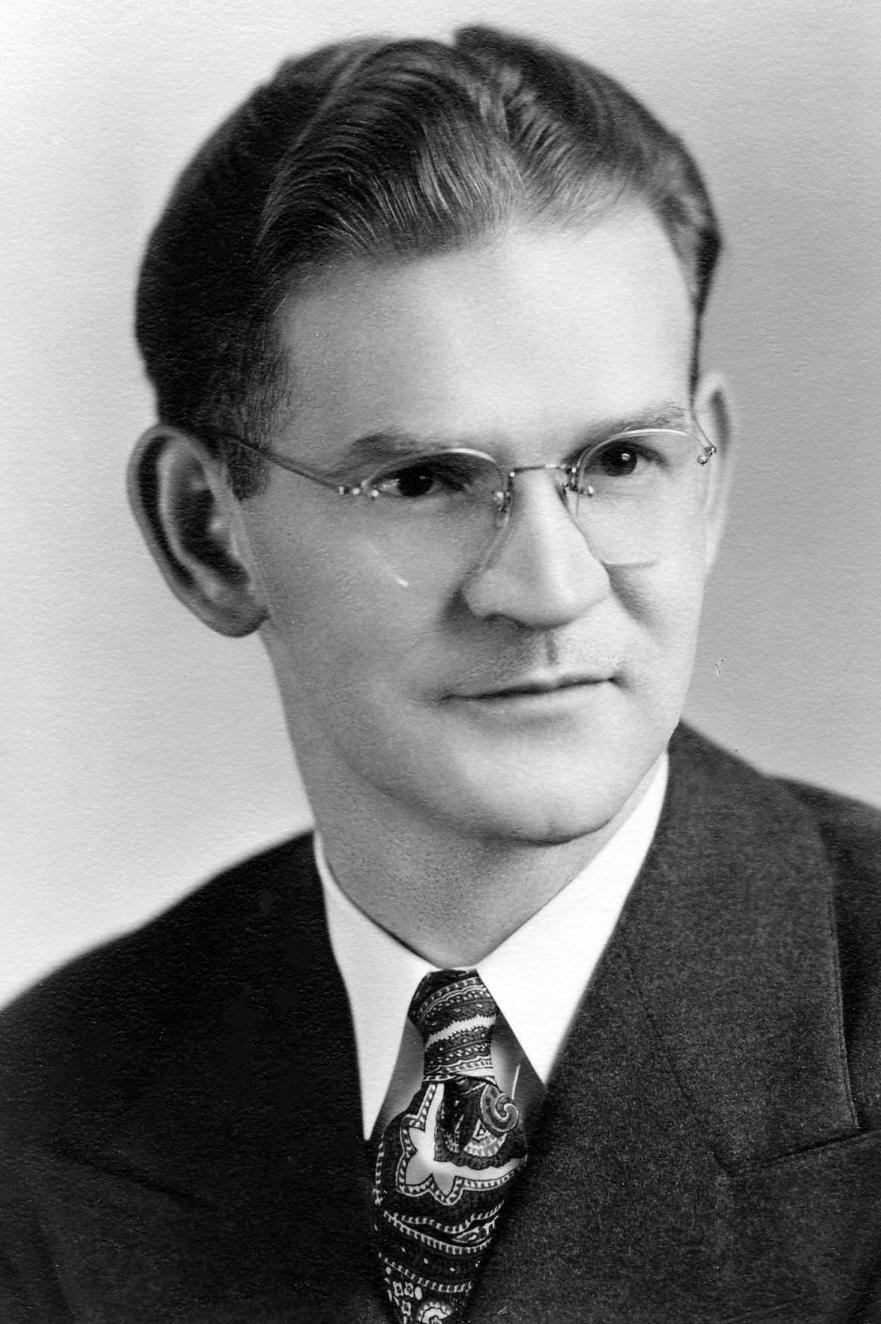
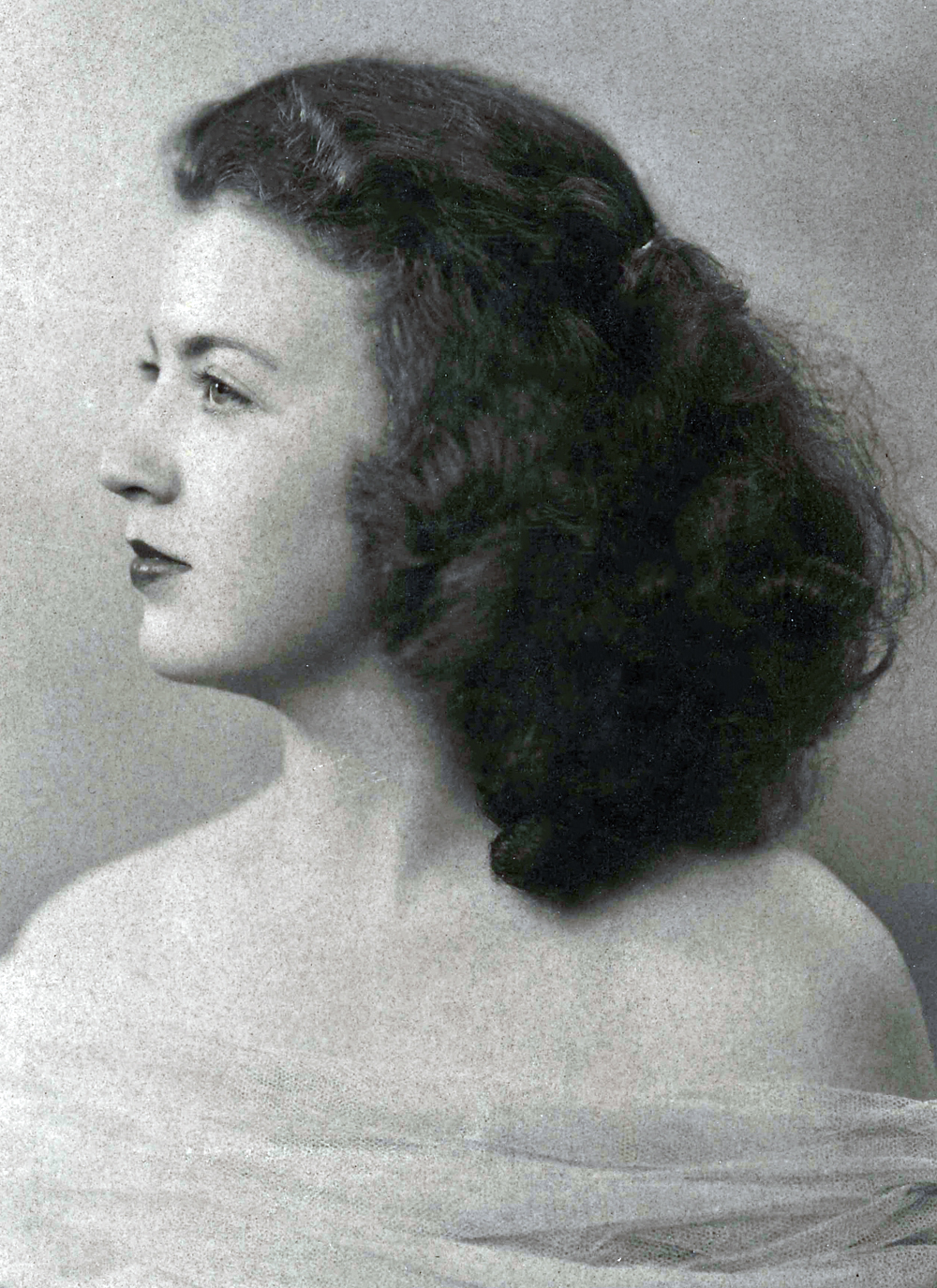 I’m doing that right now. I have the box of love letters that soldier sent to my mother. (Look how handsome he was. And what a beauty she was.) She kept his letters in a herringbone-patterned stationery box on the top shelf of a closet for 65 years—through two marriages, one divorce, the death of a husband, and 46 years of widowhood. I never saw her reading those letters. I didn’t know they existed. In fact, I found them only as I was cleaning out her home after her death. Now, 75 years after that soldier’s death and 10 years after hers, I’m putting pen to paper and writing a new conclusion. For both of them.